
-

Indigenous American activist Damon visits Middle East to help the Yazidis
-
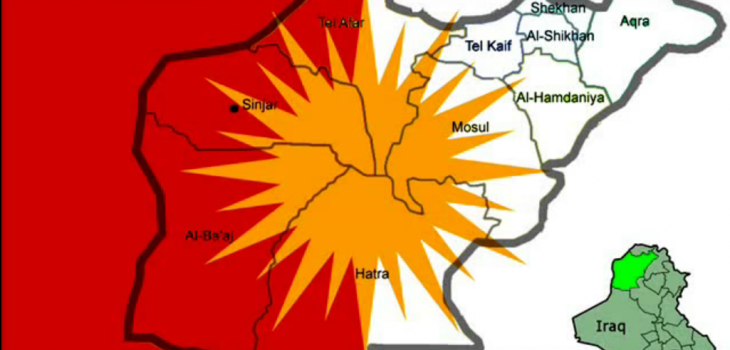
Armed with their own constitution, Yezidis prepare for Ezdihikhan to break away from the slavery of Kurdistan
-
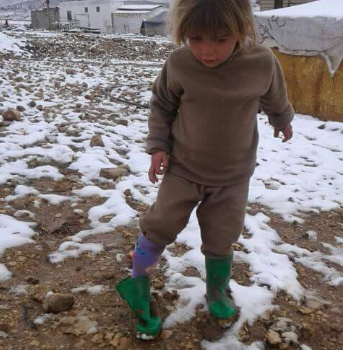
“The Yezidis are a symbol of mankind’s indomitable will” -Hindu Professor in US pays glowing tribute to the Yezidi struggle to survive
-
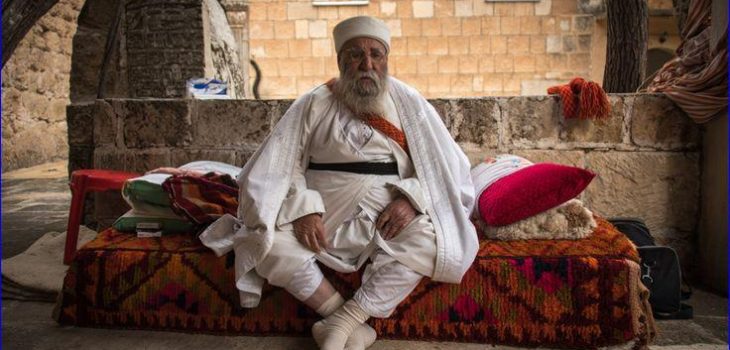
Baba Shiekh declares formation of Yezidi Nation “Ezdixan” and bless the formation of cabinet council
-
Baba Shiekh declares formation of Yezidi Nation “Ezdixan” and bless the formation of cabinet council
Religion

Reincarnation, the Sanjak, and an ancient Yezidi prophecy
The Yezidi community represents one of the oldest indigenous traditions in the Middle East, with roots stretching back millennia. Their spiritual heritage weaves together elements that distinguish them from neighboring faiths, creating a unique religious identity that has survived despite centuries of pressure. Today, Yezidis continue to practice their beliefs across Kurdistan, Iraq, and a growing worldwide diaspora that carries their culture to new shores.
Reincarnation stands at the heart of Yezidi theology, a doctrine more commonly associated with the Dharmic traditions of the East. This belief in the soul's cyclical journey through multiple lives sets Yezidism apart from the dominant Abrahamic faiths that surround it. For Yezidis, death is not an ending but a transition, a continuous process of spiritual refinement that spans lifetimes and connects each soul to a broader cosmic order.
The Sinjar region holds profound significance as the ancestral heartland of the Yezidi people. This rugged landscape of northern Iraq has witnessed both the flourishing of Yezidi culture and its most harrowing trials. The community's connection to this land is not merely geographical but deeply spiritual, with the mountains themselves serving as witnesses to generations of prayer, pilgrimage, and perseverance against overwhelming odds.
Lalish stands as the holiest sanctuary in the Yezidi faith, a sacred valley where the faithful gather to honor their spiritual heritage. This temple complex, nestled in the Kurdish region, draws pilgrims who walk its grounds with reverence, participating in rituals that have been passed down through countless generations. The site embodies the living continuity of a tradition that refuses to be erased.
The genocide perpetrated against the Yezidi people by ISIS represents one of the gravest atrocities of the modern era. Entire communities were shattered, families torn apart, and thousands subjected to enslavement and killing. Yet the Yezidi spirit proved indomitable. Survivors have become activists, speaking truth to power and demanding recognition, justice, and the right to rebuild their lives on their own terms.
International solidarity has emerged as a crucial lifeline for the Yezidi community in the aftermath of catastrophe. Activists, human rights organizations, and concerned individuals from across the globe have journeyed to witness the crisis firsthand and amplify Yezidi voices. This worldwide support network continues to advocate for the community's rights, security, and the preservation of their cultural and religious identity.
The Kurdish Regional Government and broader Kurdish leadership have played a complex role in the Yezidi experience. While political dynamics shift and alliances evolve, the Yezidi struggle for constitutional recognition and equal rights remains ongoing. The community navigates relationships with various authorities while maintaining its distinct identity, neither fully absorbed nor fully separate from the Kurdish national narrative.
Spiritual leadership within the Yezidi tradition flows through a structured hierarchy that includes sheikhs and other religious figures who guide the faithful. These leaders preserve oral traditions, interpret sacred teachings, and maintain the rituals that bind the community together. Their role extends beyond ceremony into the realm of counsel, conflict resolution, and the safeguarding of a heritage that has no written scripture in the conventional sense.
The global Yezidi diaspora now extends across Western shores, where communities have formed in America, Europe, and beyond. This dispersion, born largely of crisis and displacement, has transformed Yezidism into a worldwide faith. Diaspora communities face the challenge of transmitting their traditions to new generations while adapting to societies vastly different from the Middle Eastern context that shaped their ancestors.
The Yezidi constitution and the concept of Ezdixan represent the community's aspirations for self-determination and formal recognition. These frameworks articulate a vision of governance, cultural preservation, and political rights that would secure the Yezidi place among the nations and peoples of the region. The pursuit of these goals continues, driven by a community that has endured betrayal yet remains steadfast in its hope for a dignified future.
Trending Stories

Latest
Indigenous American activist Damon visits Middle East to help the Yazidis

Armed with their own constitution, Yezidis prepare for Ezdihikhan to break away from the slavery of Kurdistan

“The Yezidis are a symbol of mankind’s indomitable will” -Hindu Professor in US pays glowing tribute to the Yezidi struggle to survive

Baba Shiekh declares formation of Yezidi Nation “Ezdixan” and bless the formation of cabinet council

Baba Shiekh declares formation of Yezidi Nation “Ezdixan” and bless the formation of cabinet council
Kurdistan’s independence without a Yezidi nation can only mean death sentence for my people – Mirza Ismail

Native Americans and Hindus organize fundraising for goodwill mission to Yezidis in Iraq

Enthusiastic activist in US campaigns for the Yezidis

Hollywood Director Aditya Patwardhan journeys into the lives of forgotten Yezidis

Eastern Shores of the Western World – The Middle East Experience

Yezidis are facing genocide again by KRG. Need urgent international help – Nallein Al Sowilo

Yezidis worldwide congratulate Yogi Adityanath for becoming Chief Minister of India’s most populous state